A lot of organizations could use a little extra help in this current political climate.
eff.org • ACLU • UNICEF • Planned Parenthood • Black Girls Code • PBS • archive.org • Wikipedia • Immigrants' Rights (ACLU)
Archival Production & Multi-Media Restoration
Over 30 years of media archiving. Trusted by icons. Verified by legends.

I don't just transfer media. I learn the archive.
I've spent more than 30 years working with legacy audio and video, managing the asset pipelines for more than a dozen premium box sets and media reissues, preparing video for licensing and home video releases, and preserving material that in many cases simply can't be replaced.
My job is to understand what I'm working with before I start touching anything. I want to know what you have, where it came from, what condition it is in, which version is actually the master, and what needs to happen to get it safely into a format that can be used today.
I preserve and restore legacy audio and video into pristine, commercially viable master files, while keeping the original source as close to the original as possible.
Because I am both an audio engineer and an archivist, I can handle both sides of that process myself. Your assets don't have to pass through a chain of different specialists, who may each understand only one part of the job. I know how the material needs to be preserved, and I know how it ultimately needs to sound and look.
Vault Auditing & Asset Architecture
What You Actually Have: Before I transfer anything, I want to know what I'm dealing with. I'll go through your tapes, drives, and other physical and digital media, and document what's there, identify duplicates and potential problems, assess the stability of existing digital assets, and give you a clear picture of the archive.
Cataloging & Metadata: Large archives can become almost impossible to navigate without good documentation. I turn complex digital drives and extensive physical collections into organized, searchable catalogs. I document what's there, connect the relevant metadata, and build a system that makes finding the right asset much easier the next time you need it.
How I Protect It: Once I understand what you have, I can figure out how it should be protected. That might mean multiple copies, different types of storage, separating working files from archival masters, or building a preservation structure that protects the collection as technology changes. I don't believe in applying the same template to every archive. The preservation strategy should be built around the material.
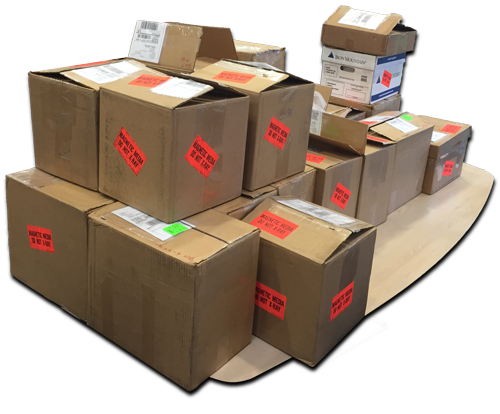
Hayes Vault, UK
Specialized Audio Restoration & Multi-Format Prep
I Do The Transfers Myself: Whenever possible, I keep the transfers in-house. I perform broadcast-standard transfers of core legacy formats including 1/4" reel-to-reel, cassette, DAT, vinyl, and bit-accurate CD extraction. Keeping the work in my own hands gives me direct control over the transfer, and lets me catch problems as they're happening, instead of discovering them after the material has already left the building. It also means I can listen to what I'm transferring. That sounds obvious, but it's an important distinction when you're dealing with irreplaceable recordings.
When a Specialist Is Necessary: Some formats require equipment, processes, or facilities that I don't keep in-house. Tape baking and certain highly specialized formats are good examples. When that happens, I don't simply send your material to a transfer house and wait for a file to come back. I act as your technical supervisor. I determine what the transfer needs to accomplish, communicate those requirements to the vendor, and inspect the resulting digital assets to make sure they actually meet archival specifications. Your material may temporarily leave my hands, but the responsibility for it doesn't.
Surgical Restoration: Restoration isn't about making an old recording sound artificially new. I can carefully remove tape hiss, hum, dropouts, clicks and pops while preserving the dynamics, character, and intent of the original performance. My goal is always to remove the problem, not the history.
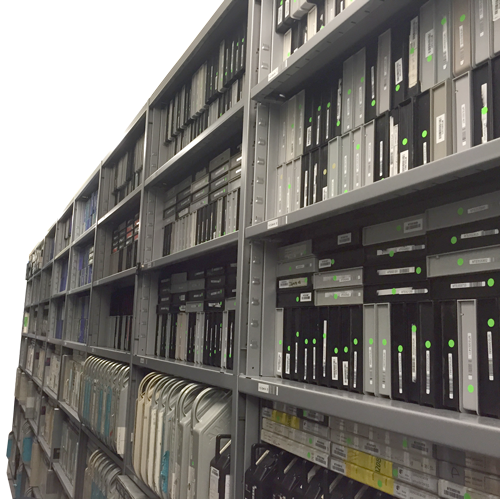
Hayes Vault, UK
Legacy Video Preservation & Reconstruction
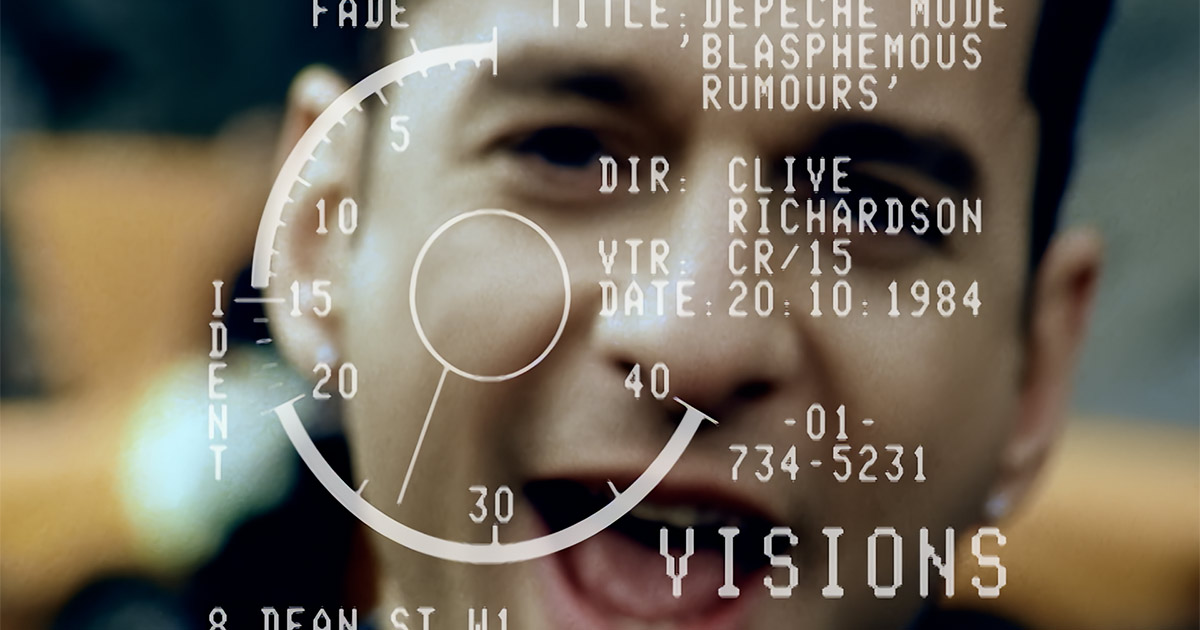
Some of the most rewarding archival work I've done has involved legacy music acts and television shows. My clients have included Depeche Mode, Peter Facer & Richard Blade, and Gia DeSantis. I've archived many of Richard Blade's TV programs, including MV3, Video Beat, Superstars Of Video and Video One, as well as years of Gia's Request Video shows. It was an honor to preserve hundreds of hours of important music television, much of which aired only once in Southern California during the 1980s.
Legacy Video Transfers: I offer in-house digitization and restoration of consumer and professional tape formats, including VHS, S-VHS, VHS-C, Hi-8, mini-DV, Betamax, Betacam, Digital Betacam, 1" video, and U-Matic.
Signal Optimization & Stabilization: I use hardware-level time base correction (when needed) with a recently re-capped DataVideo TBC-1000 - a machine I've been using continuously since the mid-1990s. I know how this equipment behaves, I know what a good signal should look like, and I know the problems that can appear when an aging videotape doesn't want to cooperate. The goal is to eliminate jitter, sync drift, visual tearing, and other problems without introducing new ones in the process.
Frame Rate & Gate Correction: I always prefer to get the transfer right the first time. But I've also encountered plenty of legacy material where someone made changes to the master source without fully understanding the requirements of the format, and the original master is no longer available. When that's what I'm given, I can use advanced software reconstruction to repair unstable film scans, recover dropped frames, and correct difficult frame-rate conversion problems without introducing artificial motion artifacts or creating audio sync issues.
Interactive Case Studies
Experience the technical pipeline firsthand. Use the custom audio presentation below to audition the transformation from raw, decaying vault assets to fully restored, label-ready cutting masters. Select one of the items, and the example files will load into the player.
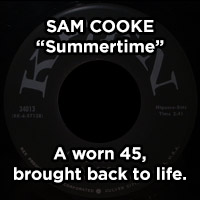
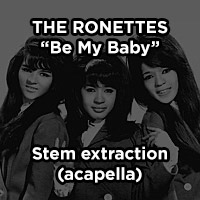
Select An Interactive Case Study Above To Begin
Archival Standards & The Preservation Philosophy "I Never Throw Away The Source"
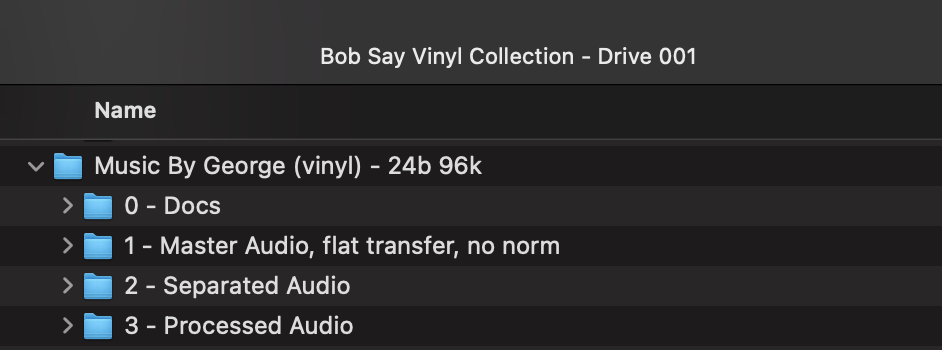
As an archivist, I never consider a cleaned-up file to be the end of the process. And I never delete the original. I maintain a dual-tier archive for my restoration work. I always preserve the original, flat first transfer alongside any restored or processed versions.
Why?
Because restoration technology keeps getting better. What seems impossible to fix today may be easy to fix five years from now. If all you have is a processed master, you've already thrown away your best opportunity to revisit the material.
An untouched digital copy of the original physical media gives you a true historical baseline. If something ever happens to the physical master tape, you still have both the polished, market-ready master and the pristine, untouched digital representation of the original source.
Technology will continue to change. There will always be something new that can be done with an old recording or video. That's why I believe the safest approach is simple: preserve the closest possible representation of the original master, and never make a previously processed version your only source.
Burbank, CA
Optimizing Assets For Modern Formats
Putting legacy media onto modern physical and streaming formats isn't simply a matter of handing someone a digital file. Different formats have different technical requirements, and decisions made earlier in the production chain can have a very real effect on the finished product.
Audio: Heavily maximized or "brick-walled" files created for CDs and digital services aren't necessarily the right files to send to a vinyl cutting engineer. I make sure the audio being supplied for vinyl production is the proper flat master whenever possible. If that master isn't readily available, I'll do the detective work to find out where another copy might exist. Even a second-generation flat transfer can be dramatically more useful for vinyl production than a heavily mastered "made for CD" file. I've seen firsthand how much difference having the right source can make.
Video: High-volume transfer houses can sometimes miss problems such as dropped frames, sync errors, or other internal transfer issues simply because the operator doesn't know the material they're looking at. I review important video assets closely - and when necessary - frame by frame, against existing archival releases and known reference material. If a particularly difficult tape needs more specialized attention, I may insist on doing the transfer myself on equipment I know can handle it. I'd rather spend the extra time getting the source right than discover a problem after the file has already gone into production.
Surgical Restoration: Restoration isn't about making an old recording sound artificially new. I can carefully remove tape hiss, hum, dropouts, clicks and pops while preserving the dynamics, character, and intent of the original performance. My goal is always to remove the problem, not the history.
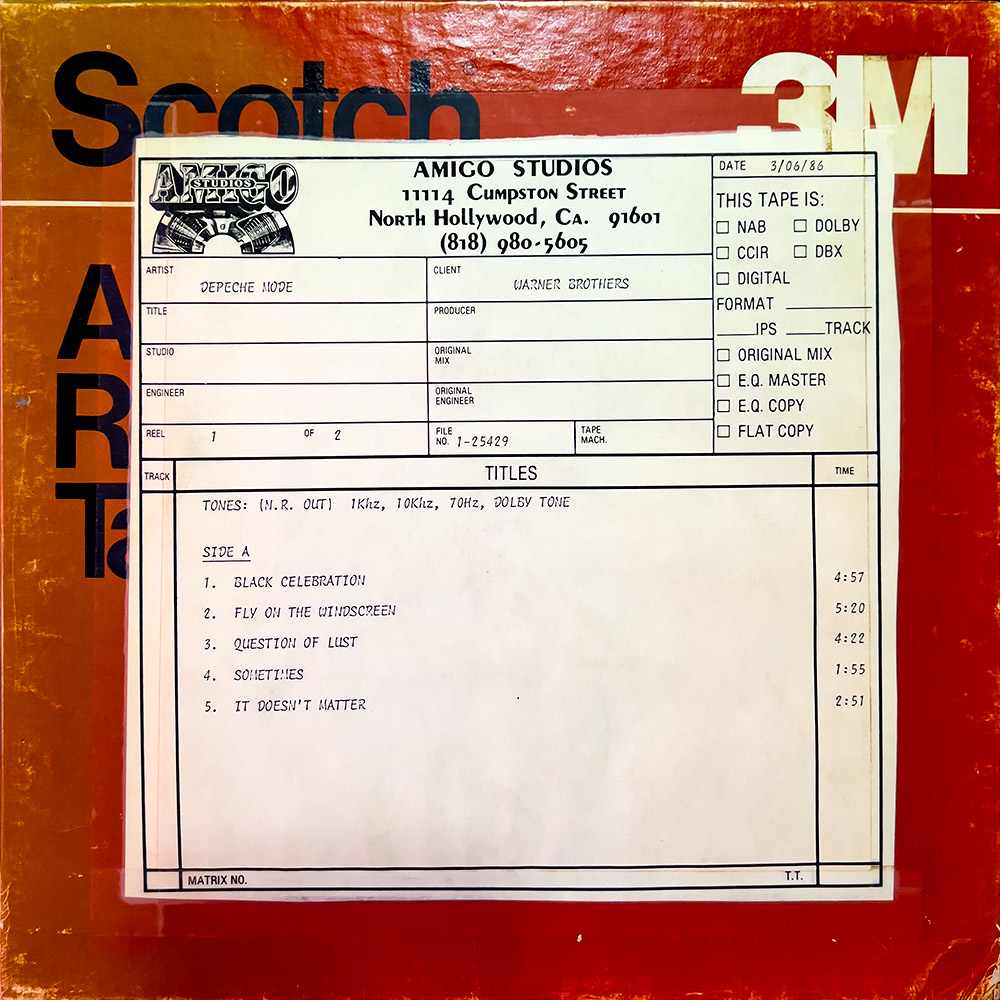
North Hollywood, CA
Case Study: Working With Bernie Grundman Mastering
During the cutting session for a recent vinyl box set, the audio files initially supplied to Bernie Grundman Mastering by the record label for the lathe cut weren't producing the result the cutting engineer wanted. I was there in the cutting room with the original, flat archival masters on a thumb drive. Recognizing the superior sonic quality of those archival masters, legendary cutting engineer Chris Bellman chose to use my flat master files to cut the final vinyl.
That's exactly why I believe archival work shouldn't be separated from the production process. I knew what those files were. I knew where they came from. And I knew why they were the right source. I was able to bring that knowledge directly into the cutting room. From the original tape acquisition all the way to the vinyl lathe, I want to know that the artist's legacy is being handled correctly.
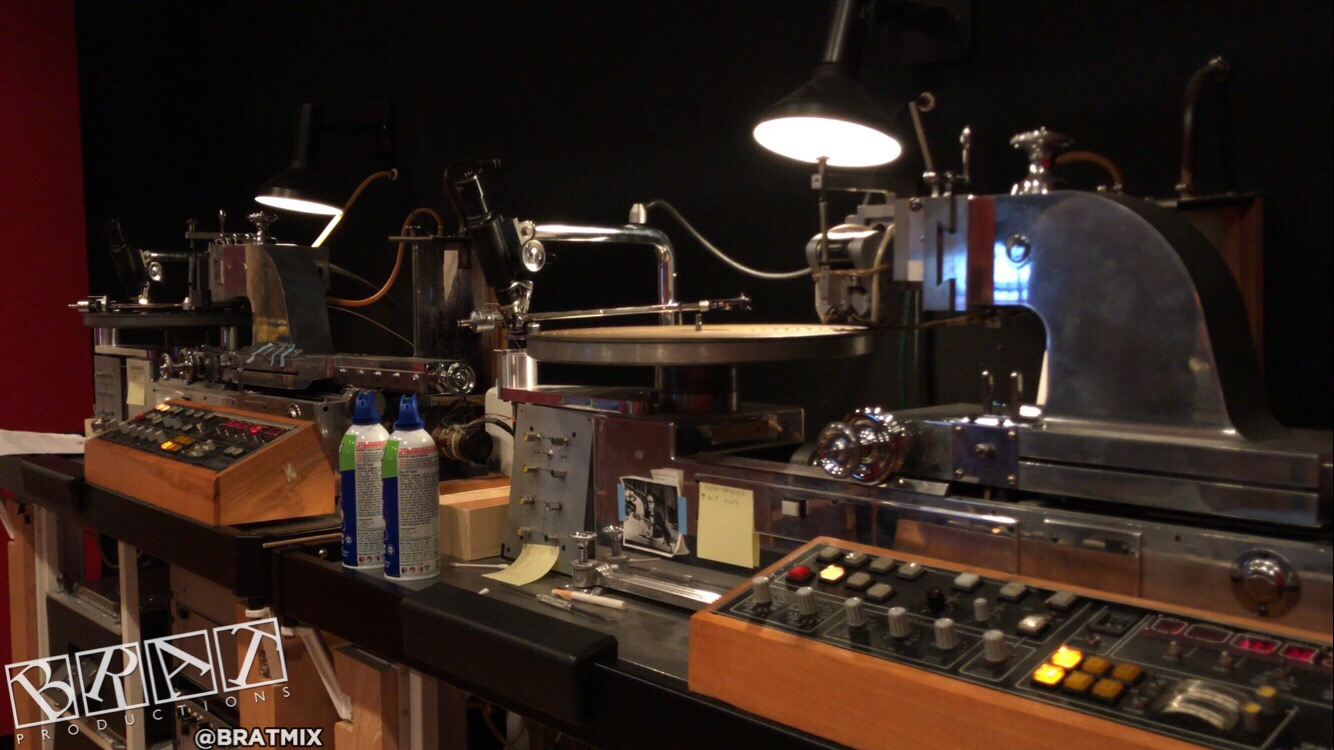
Bernie Grundman Mastering, Hollywood, CA
You put a lot of work into your creations. You should put just as much care into preserving them.
Ready To Secure Your Legacy?
Every catalog is different, and every archive has its own problems to solve.
Maybe you have a single deteriorating tape that needs to be salvaged. Maybe you have decades of audio and video spread across shelves, hard drives, and storage boxes, with no reliable way to know exactly what you have.
Whatever the size of the project, I'll help you figure out what needs to be done, establish a preservation strategy, and make sure the work is done to the highest professional standard that I can deliver.
Contact Me for a Custom Project Quote brat@bratproductions.com